Insurance·SafetyWing
Get covered before you go
Altitude trekking, helicopter evacuation, and hospital care in Kathmandu - from ~$45/month. Cancel anytime.
Get a quote
About
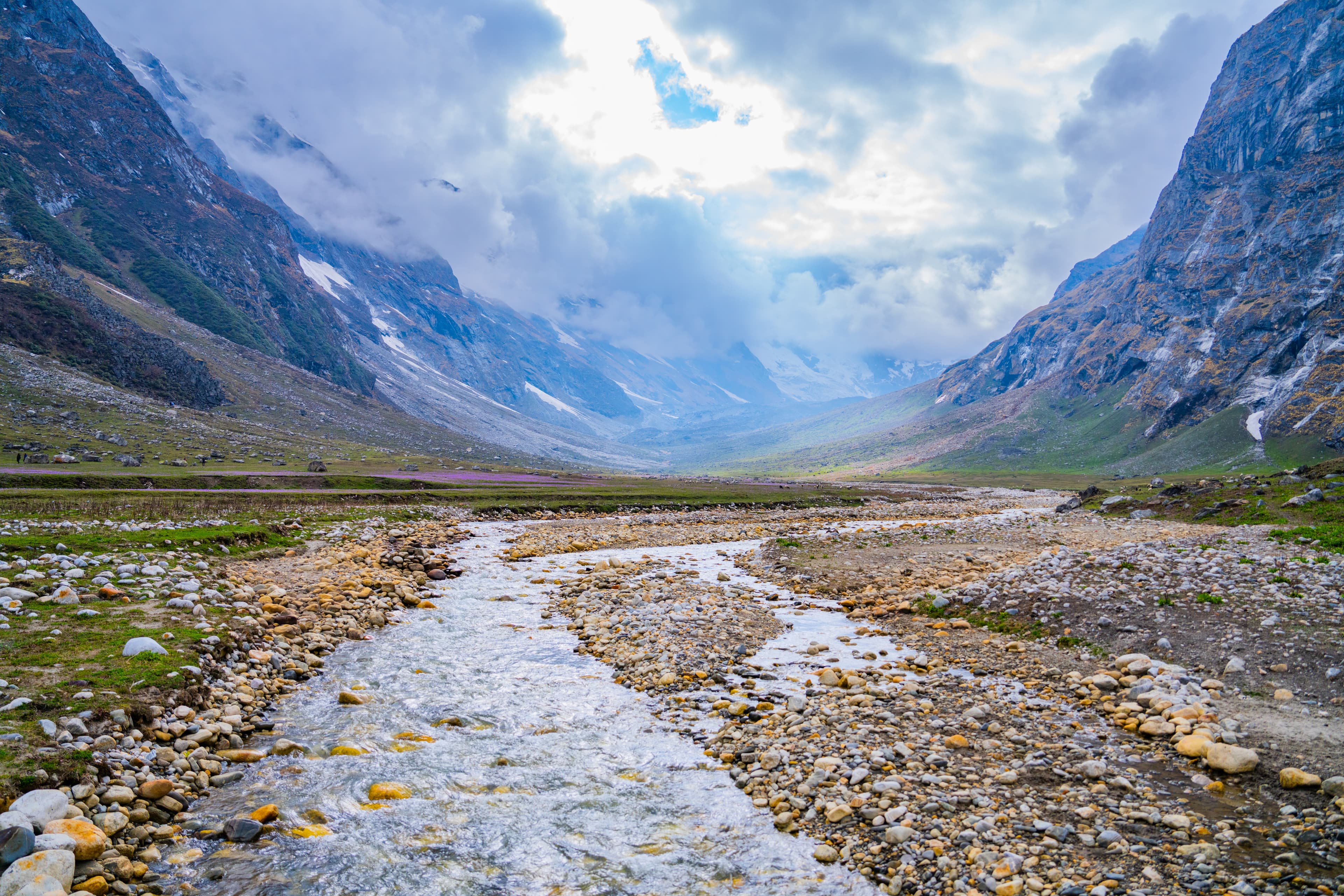
The Api Himal Base Camp trek is one of Nepal's most remote and least-visited high-altitude journeys, venturing deep into the Darchula district of the Far Western Province — a region so isolated that many trekkers complete the entire route without encountering another foreign visitor. Dominated by the towering Api Peak (7,132m), Nepal's westernmost 7,000-meter giant, this trek offers an unfiltered window into a Himalayan wilderness that remains largely untouched by the commercialization that has transformed more popular corridors. The approach winds through the Chameliya River valley and dense subtropical forests of rhododendron, oak, and pine before opening into high alpine meadows and glacial moraines that frame Api's formidable south face. The sheer scale of the mountain — visible in its entirety from base camp — is a revelation that rewards every arduous step of the approach. Culturally, this trek is extraordinary. The Far Western hills are home to the Bhotiya people, Tibetan-Buddhist communities who have maintained ancient trade and pastoral traditions across these high passes for centuries. Villages like Ghusa and Rapla preserve a way of life largely unchanged by modernity — stone homes adorned with prayer flags, women weaving on backstrap looms, and the rhythmic sound of grinding mills powered by glacial streams. The region also borders the Shuklaphanta and Api Nampa Conservation Area, a protected zone harboring snow leopards, Himalayan tahr, musk deer, and an astonishing diversity of birdlife. Trekkers frequently encounter blue sheep grazing on high ridges and may spot lammergeier vultures riding thermals above the moraines. The trail itself is genuinely strenuous and demands solid mountain experience. Paths are poorly marked, river crossings can be challenging during snowmelt, and teahouse infrastructure is basic to nonexistent above lower elevations — making tented camping essential for the upper sections. Acclimatization must be taken seriously, with the route climbing steadily from Darchula's subtropical warmth at roughly 900m to the base camp plateau at 4,200m. The logistical complexity of reaching Darchula — a long overland journey or a small aircraft flight from Dhangadhi — means only the most committed trekkers make it here, ensuring that those who do experience Nepal in its most authentic, humbling, and awe-inspiring form.
Elevation Profile
Packing List
Tourist Police Nepal (Headquarters)
+977-1-4247041
Fishtail Air Helicopter Rescue (Dhangadhi base — nearest to Far West)
+977-1-4488413
Himalayan Rescue Association (HRA) Kathmandu
+977-1-4440292
Darchula District Hospital
+977-96-420088
Nepal Airlines Dhangadhi (nearest domestic hub)
+977-91-523325
No. 01 — Essentials
Affiliate-supported
A few things we'd sort out before heading to Api Himal Base Camp
Altitude trekking, helicopter evacuation, and hospital care in Kathmandu - from ~$45/month. Cancel anytime.
Get a quoteCompare guesthouses, hotels, and lodges with real-time prices, traveler reviews, and free cancellation on most stays.
Find staysMore to explore