
Trek duration is the single biggest decision in planning a Himalayan trip. Five days versus twenty-two days isn't just a time commitment — it's an entirely different experience in difficulty, altitude, culture, and what you'll come back changed by.
This guide ranks every major Nepali trekking route by duration, from short rewarding loops you can do on a 10-day trip to expeditions that take three weeks just for the trail portion. Each entry covers what to expect, who it's right for, when to go, and the gotchas that aren't always in the brochures.
If you're choosing your first Nepal trek, start with the Short or Medium sections. If you've trekked the Himalayas before, the Long and Expedition options are where Nepal really opens up.
Short (5-7 days)

The Ghorepani Poon Hill Trek is Nepal's most beloved short trek, offering an extraordinary concentration of Himalayan drama, cultural richness, and natural beauty within just five days. Standing atop Poon Hill at 3,210 meters as the pre-dawn darkness gives way to a blazing orange horizon, you witness one of the most spectacular sunrise panoramas on earth — the jagged white teeth of Dhaulagiri (8,167m), the Annapurna massif stretching across the skyline, Machhapuchhre's unmistakable fishtail peak, and Hiunchuli glowing pink in the alpenglow. This is not merely a viewpoint; it is a moment that redefines your understanding of scale and beauty. The trail winds through the heart of Gurung and Magar country in the Annapurna Conservation Area, passing through rhododendron forests that explode into crimson and pink bloom in spring — creating a surreal tunnel of color that rivals even the mountain views. Villages like Ulleri, Ghorepani, and Tadapani are living museums of traditional hill culture, where stone-paved paths worn smooth by centuries of foot traffic connect slate-roofed homes adorned with marigolds. Teahouses serve steaming bowls of dal bhat beside wood-burning stoves while yak bells echo from nearby pastures. The Magar and Gurung communities here have maintained their distinct languages, festivals, and agricultural traditions, and trekkers are welcomed with genuine warmth into this living landscape. The terrain is accessible yet genuinely rewarding. The trail climbs through dense temperate forests of oak, rhododendron, and bamboo, crosses suspension bridges over the Modi and Bhurungdi Khola rivers, and ascends stone staircases that generations of porters and locals have traversed. The maximum elevation of 3,210 meters makes altitude sickness an unlikely concern for most healthy trekkers, and the well-marked, well-serviced trail means this is an ideal first Himalayan trek. Yet despite its accessibility, the Ghorepani Poon Hill Trek never feels diminished — the mountains are real, the forests are ancient, and the sunrise from Poon Hill is every bit as transformative as any experience in Nepal's high Himalaya.
Nepal's perfect first trek. Five days, max elevation 3,210m at Poon Hill — high enough for serious mountain views but well below altitude sickness territory. The classic loop from Nayapul takes you through Gurung villages, rhododendron forests (spectacular in March-April), and the famous sunrise viewpoint with Dhaulagiri and Annapurna lined up across the horizon. Teahouses every couple hours, hot showers, decent food.
Trek
Mardi Himal Trek

The Mardi Himal Trek is one of the Annapurna region's best-kept secrets, officially opened to trekkers in 2012 and still relatively uncrowded compared to its famous neighbors, the Annapurna Base Camp and Poon Hill circuits. Named after Mardi Himal (5,587m), the trek leads you through some of the most pristine rhododendron and oak forests in Nepal before emerging onto a dramatic high ridge that offers jaw-dropping, unobstructed views of Machhapuchhre (Fishtail), Annapurna South, Hiunchuli, and Mardi Himal itself. The trail ascends steadily through a series of ecological zones — from terraced farmland and dense forest to alpine meadows and rocky moraines — giving trekkers a compressed but deeply rewarding experience of Himalayan diversity in just six days. Culturally, the lower sections of the trek pass through Gurung and Magar villages where traditional stone houses, prayer wheels, and mani walls line the trail. The village of Forest Camp and Low Camp serve as staging points where small family-run teahouses offer warm hospitality and hearty dal bhat. The trail is less commercialized than other Annapurna routes, meaning interactions with locals feel genuinely authentic. Rhododendron forests explode with red, pink, and white blooms in spring, creating one of the most photogenic trekking corridors in Nepal, while autumn delivers crystal-clear skies and golden light on the high peaks. The High Camp viewpoint at approximately 4,500 meters is the undisputed climax of the trek. Perched on a narrow ridge, it delivers a panorama so close and so vast that Machhapuchhre appears near enough to touch, its twin-peaked summit soaring above you in a way that no photograph can fully capture. The descent via Siding village adds a charming rural dimension, winding through terraced fields and community forests before reaching Phedi, where jeeps and buses connect back to Pokhara. For trekkers seeking solitude, natural beauty, and genuine mountain immersion without the crowds, Mardi Himal Trek delivers an experience that rivals any route in the Himalayas.
The newer alternative to Ghorepani — opened to teahouse trekking in 2012, still uncrowded relative to Annapurna proper. Six days takes you to High Camp at 3,580m with a base camp option to 4,500m. Steep climb through forests, then dramatic ridge walking past Mardi Himal and Machapuchare's south face. Best November-December and March-May.
Medium (8-12 days)

The Langtang Valley Trek is one of Nepal's most rewarding and accessible high-altitude journeys, often called the 'valley of glaciers' by those who have walked its length. Sitting just 50 kilometers north of Kathmandu, it offers an intimacy and authenticity that the more crowded Everest and Annapurna circuits struggle to match. The trek winds through the Langtang National Park, Nepal's first Himalayan national park, where dense rhododendron and oak forests give way to alpine meadows carpeted with wildflowers in spring. The valley is framed by an extraordinary wall of peaks — Langtang Lirung (7,234m), Ganesh Himal, and the Tibetan border mountains — creating a sense of being enclosed in a natural cathedral of ice and rock. What makes this trek truly special is the living culture of the Tamang people, Tibetan-Buddhist communities who have called this valley home for centuries. Their stone villages, prayer wheels, mani walls, and ancient gompas line the trail, offering genuine cultural exchange rather than a tourist performance. The 2015 earthquake devastated the upper valley, particularly Langtang village itself, but the communities have rebuilt with remarkable resilience, and trekking here today is a direct act of support for their recovery. The trail climbs steadily from the subtropical forests around Syabrubesi through progressively dramatic landscapes, passing yak pastures and cheese factories before reaching the high viewpoint at Kyanjin Ri (4,773m) or Tsergo Ri (4,984m), where panoramic views of the Himalayan giants reward every step of the ascent. The return journey retraces the valley, offering new perspectives on familiar terrain and the chance to linger at teahouses and monasteries that were passed too quickly on the way up. This is a trek for those who want genuine mountain experience, cultural depth, and relative solitude — all within a week's journey from the capital.
The valley closest to Kathmandu, still rebuilding from the 2015 earthquake that destroyed Langtang village. Eight days takes you from Syabrubesi to Kyanjin Gompa at 3,870m, with optional climbs of Tserko Ri (4,984m) for sweeping views of Langtang Lirung. Tamang and Tibetan culture, yak cheese factories, dramatic glacier-carved valley. Choose this trek if you want a Himalayan experience but only have a week off.

Upper Mustang Trek is one of Nepal's most extraordinary and exclusive journeys, leading you into the heart of the ancient Kingdom of Lo — a land so remote and culturally preserved that it was closed to outsiders until 1992. Often called the 'Last Forbidden Kingdom,' Upper Mustang sits in the rain shadow of the Himalayas, creating a stark, otherworldly landscape of eroded canyons, wind-sculpted cliffs in shades of red, ochre, and white, and a high-altitude plateau that feels more akin to the Tibetan plateau than anything else in Nepal. The region receives less than 300mm of rainfall annually, making it one of the driest places in the Himalayas and trekable even during the monsoon months when the rest of Nepal is drenched. The cultural richness of Upper Mustang is unparalleled. The Loba people — descendants of Tibetan settlers — have maintained their language, religion, and traditions with remarkable fidelity over centuries. Whitewashed chortens line the trails, prayer flags snap in the constant wind, and ancient cave monasteries carved directly into cliff faces hold centuries-old thangka paintings and butter sculptures. The walled medieval city of Lo Manthang, the capital of the former kingdom, is the crown jewel of the trek — a labyrinthine city of mud-brick houses, royal palace, and four major gompas including the revered Thubchen Gompa with its stunning 15th-century murals. Encounters with red-robed monks, horse festivals, and the living descendants of the Lo-pa royal family give this trek a depth of cultural immersion that few Himalayan journeys can match. The trek follows the ancient trade route along the Kali Gandaki River valley before climbing into the high plateau, passing through villages like Kagbeni, Chele, Syangboche, Ghami, and Tsarang. The terrain is dramatic and constantly changing — narrow gorges give way to wide open plains, wind-eroded badlands transition into verdant barley fields irrigated by snowmelt. The maximum elevation of approximately 4,200 meters is manageable for acclimatized trekkers, though the relentless wind, dust, and high-altitude UV radiation demand proper preparation. Teahouse accommodation is available throughout, though facilities are more basic than in the Everest or Annapurna regions, adding to the sense of genuine adventure in a place that still feels genuinely off the beaten path.
Restricted region, $500 special permit, only ~3,000 visitors per year. Twelve days takes you into the former Kingdom of Lo — Tibetan Buddhist culture preserved nearly intact since the 14th century, walled capital of Lo Manthang, sky burial sites, 12th-century gompas with original murals. Elevation is moderate but the landscape is Tibetan plateau — arid, wind-carved, dramatic. May to October only.
Trek
Gokyo Lakes Trek

The Gokyo Lakes Trek is one of the Himalayas' most visually stunning journeys, threading through the heart of the Khumbu region to reach a chain of sacred turquoise glacial lakes nestled at over 4,700 metres above sea level. Unlike the more heavily trafficked Everest Base Camp route, the Gokyo valley offers a sense of solitude and raw alpine beauty that many trekkers find more rewarding. The centrepiece of the trek is Gokyo Ri (5,357m), a relatively short but steep climb above the third lake that rewards you with one of the most extraordinary panoramas on earth — a sweeping 360-degree view encompassing Everest (8,849m), Lhotse (8,516m), Makalu (8,485m), and Cho Oyu (8,188m) all visible simultaneously, along with the vast Ngozumpa Glacier, the longest glacier in the Himalayas. Culturally, this trek is deeply embedded in Sherpa heritage. You will pass through the bustling market town of Namche Bazaar, the spiritual heart of the Khumbu at Tengboche Monastery, and the high-altitude Sherpa settlement of Dole before ascending into the remote Gokyo valley. The six Gokyo Lakes — Longponga, Taujung, Dudh Pokhari, Thonak, Ngozumpa, and Gyazumpa — are considered sacred by both Hindus and Buddhists, and a large annual festival called Janai Purnima draws pilgrims to bathe in their icy waters. Mani walls, prayer flags, and chortens line the trail throughout, offering constant reminders of the living spiritual culture that defines this landscape. The terrain shifts dramatically over 12 days, beginning in lush rhododendron and pine forests below Namche, transitioning through juniper scrubland and yak pastures in the middle elevations, and ultimately giving way to a stark, boulder-strewn glacial moraine landscape near the lakes. The trail crosses several high suspension bridges over thundering glacial rivers, traverses the lateral moraine of the Ngozumpa Glacier, and demands careful acclimatisation with two rest days built into the itinerary. The combination of world-class mountain scenery, authentic Sherpa culture, and the ethereal beauty of the high-altitude lakes makes the Gokyo Lakes Trek an experience that rivals — and for many surpasses — the classic Everest Base Camp route.
Everest's quieter cousin. Twelve days to six turquoise glacial lakes at 4,700-5,000m, with Gokyo Ri (5,357m) as the climax — arguably the best Everest panorama in Nepal, taking in Everest, Lhotse, Makalu and Cho Oyu in one view. Fewer crowds than EBC, equal scenery. Strong altitude profile means proper acclimatization is non-negotiable. October-November or April-May only.
Long (14-18 days)
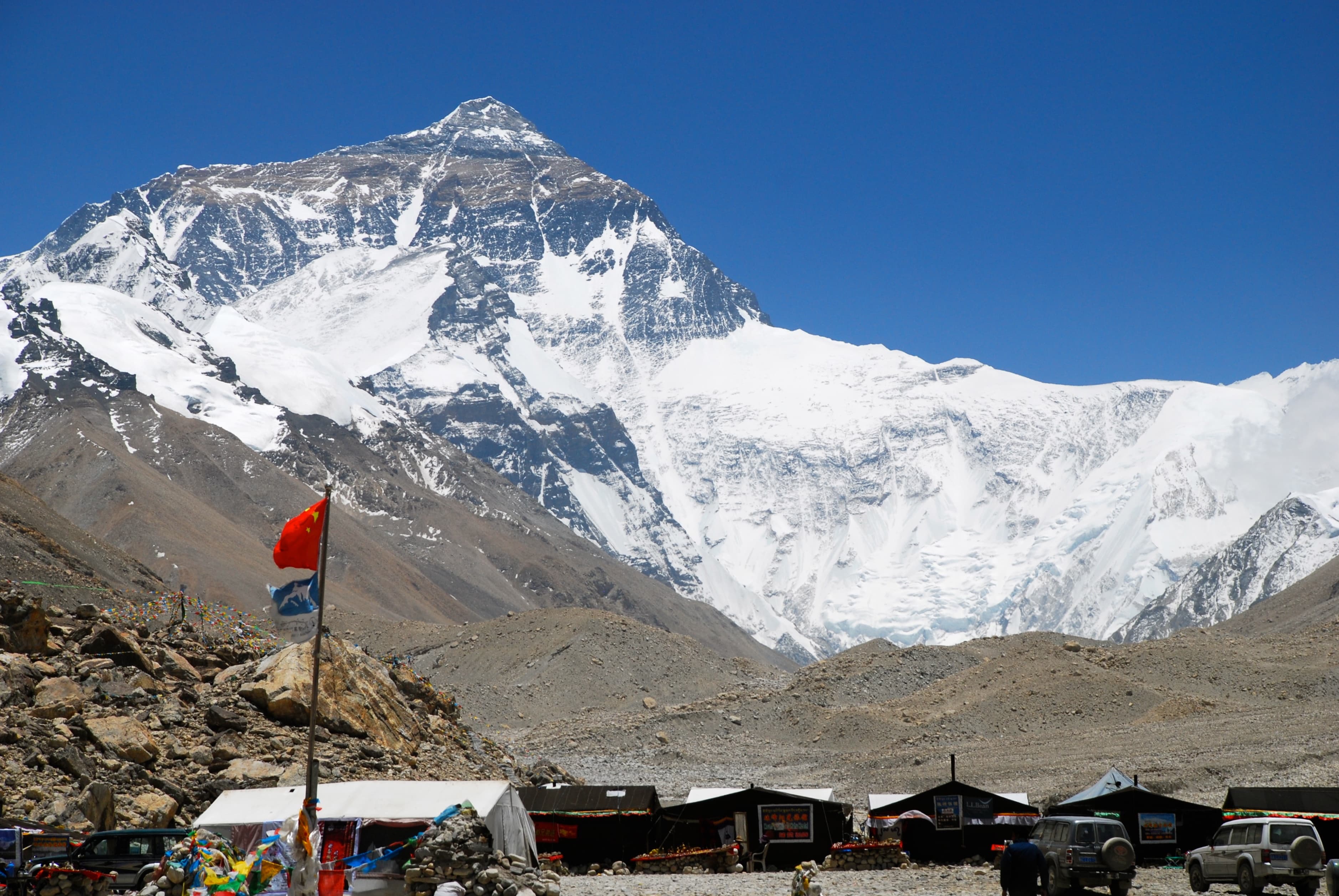
The classic pilgrimage to the foot of the world's highest mountain. The EBC trek traverses ancient Sherpa villages, high-altitude monasteries, and dramatic glacier landscapes to reach the iconic 5,364m base camp. Passing through Namche Bazaar, Tengboche Monastery, and Dingboche, every day reveals more extraordinary mountain scenery.
The iconic one. Fourteen days from Lukla to EBC (5,364m), maximum elevation Kala Patthar at 5,545m. You'll see Everest from multiple angles, walk through Namche, Tengboche Monastery, Dingboche, Lobuche. The crowds are real — book teahouses ahead in October-November and April-May peak seasons. Altitude management is the make-or-break factor; budget 2 acclimatization days minimum.

The Manaslu Circuit is Nepal's best-kept trekking secret — offering scenery as dramatic as Everest and Annapurna with far fewer crowds. Circumnavigating the world's eighth-highest mountain (8,163m), the route crosses the challenging Larkya La pass at 5,160m through remote villages of the Nubri and Tsum valleys.
EBC's wilder alternative. Sixteen days circumnavigating the world's 8th-highest peak (8,163m) and crossing Larkya La pass at 5,160m. Restricted area permit required, costs more in fees but delivers far more solitude. Tibetan-influenced culture in upper villages, glaciers, mani walls, no airport flight to start. Most experienced trekkers consider Manaslu Nepal's most rewarding multi-week route.

One of the world's greatest trekking routes, circumnavigating the entire Annapurna massif. The circuit crosses the Thorong La pass at 5,416m — one of the world's highest motorable passes — and traverses dramatically diverse landscapes from subtropical lowlands through pine forests, alpine meadows, and the high-altitude Mustang desert.
The classic. Eighteen days around the Annapurna massif crossing Thorong La (5,416m) — Nepal's most famous pass. Roads now reach into the lower circuit so most trekkers start at Chame and skip the boring valley road. You'll see five climate zones from subtropical to alpine, and cultures shift from Hindu to Buddhist as you climb. October-November peak; March-April for rhododendron blooms.
Expedition (20+ days)

The Three Passes Trek is widely regarded as the most comprehensive and demanding trekking circuit in the entire Khumbu region, offering an unparalleled immersion into the heart of the Himalaya. Unlike the standard Everest Base Camp route, this ambitious 20-day journey crosses three formidable high-altitude passes — Kongma La (5,535m), Cho La (5,420m), and Renjo La (5,360m) — each demanding a different set of skills and rewarding trekkers with dramatically different panoramas. The route weaves through remote valleys, ancient Sherpa villages, and glaciated terrain that few trekkers ever witness, making it the ultimate Khumbu adventure for those seeking something beyond the well-trodden path. Culturally, the trek is a living tapestry of Sherpa heritage. You will pass through storied villages like Namche Bazaar — the bustling 'Gateway to the Himalayas' — as well as the sacred monastery at Tengboche, perched dramatically above the Dudh Koshi valley with Ama Dablam as its backdrop. The Gokyo Lakes, a series of turquoise glacial lakes considered sacred in Hinduism and Buddhism, provide one of the trek's most ethereal moments, while the Ngozumpa Glacier — the largest glacier in the Himalaya — stretches endlessly to the horizon. Prayer flags, mani walls, and chortens line the trails, and the warmth of teahouse culture — sharing butter tea and dal bhat with Sherpa families — grounds the experience in genuine human connection. The terrain is extraordinarily varied and technically challenging. Trekkers navigate moraine fields, boulder-strewn glacial paths, steep icy couloirs on Cho La, and exposed ridgelines on Kongma La and Renjo La. Acclimatization is not optional but essential — the itinerary includes multiple rest days in Namche Bazaar, Dingboche, and Gokyo specifically designed to allow the body to adapt to altitude. The views from the pass summits are among the finest on Earth: Everest, Lhotse, Makalu, Cho Oyu, and Kangchenjunga are all visible at various points. This is a trek that demands physical fitness, mental resilience, and genuine respect for the mountain environment — and rewards those qualities with an experience that remains transformative for a lifetime.
The Everest region's hardest trek. Twenty days crossing three passes above 5,000m — Kongma La (5,535m), Cho La (5,420m), and Renjo La (5,360m) — connecting EBC and Gokyo. Technical glacier crossing on Cho La requires crampons in some seasons. Suitable only for experienced acclimatized trekkers with prior high-altitude experience.

The Kanchenjunga Base Camp Trek is one of Nepal's most remote and rewarding wilderness journeys, leading trekkers to the foot of the world's third highest mountain at 8,586 meters. Unlike the heavily trafficked routes of Everest and Annapurna, Kanchenjunga remains gloriously uncrowded, offering an authentic Himalayan experience that has changed little over decades. The trek winds through the Taplejung district of far eastern Nepal, a region that only opened to foreign trekkers in 1988, and the sense of genuine frontier exploration is palpable at every turn. The mountain itself, whose name translates as 'Five Treasures of Snow' in Tibetan, is considered sacred by the Sikkimese and local Limbu people, and local tradition holds that its summit should never be trodden — a spiritual reverence that adds a profound cultural dimension to the journey. The terrain traversed on this circuit is extraordinarily diverse. From the subtropical lowlands around Taplejung, where rhododendron forests blaze with color in spring and cardamom plantations scent the air, the trail climbs through dense temperate forests of oak, maple, and bamboo, home to red pandas, snow leopards, and Himalayan black bears within the Kanchenjunga Conservation Area. The route splits into two arms — the southern base camp at Oktang (4,730m) and the northern base camp at Pangpema (5,143m) — offering trekkers the rare opportunity to view Kanchenjunga's massive south and north faces from dramatically different perspectives. High alpine meadows, glacial moraines, and remote yak pastures define the upper reaches, while thundering rivers and suspension bridges mark the valleys below. Culturally, this trek passes through villages inhabited by the Limbu, Rai, Sherpa, and Tibetan communities, each with distinct traditions, architecture, and cuisine. The remote settlement of Ghunsa is a highlight — a Tibetan-influenced village of stone and timber houses clustered beneath towering peaks, where locals still practice ancient trade routes to Tibet. Trekkers staying in local teahouses experience genuine Nepali hospitality far removed from the commercialized lodges of more popular routes. The combination of supreme mountain scenery, extraordinary biodiversity, rich ethnic culture, and true wilderness solitude makes the Kanchenjunga Base Camp Trek arguably the finest long-distance trek in all of Nepal for those willing to embrace its demanding nature.
Far eastern Nepal, the third-highest mountain in the world (8,586m). Twenty-two days through restricted area requiring permits and licensed guide. Trail passes through Limbu villages, dense rhododendron-bamboo jungle, then alpine tundra. Tiny number of trekkers attempt this — you may go days without seeing other foreign hikers. Wild country.
Trek
Upper Dolpo Trek

The Upper Dolpo Trek is arguably Nepal's most remote and demanding wilderness journey, penetrating the hidden trans-Himalayan plateau that lies beyond the great Himalayan rain shadow in the far northwest of the country. This is the landscape that captivated Peter Matthiessen in 'The Snow Leopard' — a vast, wind-scoured desert of ochre cliffs, turquoise rivers, and ancient Bon monasteries that have remained largely unchanged for centuries. Unlike the teahouse circuits of Everest or Annapurna, Upper Dolpo demands full expedition-style camping, requiring trekkers to be entirely self-sufficient with guides, cooks, and porters carrying all provisions. The region only opened to foreign trekkers in 1989, and the restricted area permit requirement ensures visitor numbers remain extremely low, preserving the profound sense of isolation that defines the experience. The cultural landscape of Upper Dolpo is as extraordinary as the physical terrain. The Dolpo-pa people, of Tibetan descent, practice a syncretic blend of Bon and Tibetan Buddhism that predates the arrival of conventional Buddhism in the region. Shey Gompa, the Crystal Mountain monastery, is one of the most sacred pilgrimage sites in the Tibetan Buddhist world, and witnessing the annual circumambulation of Crystal Mountain by local pilgrims is a humbling privilege. The ancient trading village of Saldang and the cliff-hugging settlement of Tinje offer windows into a way of life that has persisted for over a thousand years, sustained by yak herding, barley cultivation, and trans-Himalayan salt trade. Phoksundo Lake — a jewel of impossible turquoise set beneath limestone cliffs draped in juniper and pine — is the deepest lake in Nepal and one of the most visually arresting landscapes in the entire Himalaya. The trekking itself is relentlessly challenging. Trails frequently dissolve into unmarked rocky ridgelines, river crossings can be treacherous during high water, and passes including the Numa La (5,190m) and Baga La (5,070m) demand acclimatization, stamina, and a high tolerance for altitude. The Kagmara La at 5,115m and the Shey La at 5,010m add further high-altitude crossings to an itinerary that keeps trekkers above 4,000 meters for extended periods. Weather is unpredictable, and the extreme dryness of the trans-Himalayan zone means UV exposure and dehydration are constant concerns. This is a trek for experienced high-altitude walkers with genuine wilderness credentials — but for those who qualify, Upper Dolpo delivers an encounter with one of the last truly untouched corners of the Himalayan world.
Nepal's most remote major trek. Twenty-two days in the rain-shadow region across multiple 5,000m+ passes, accessing the medieval Tibetan kingdoms of Dolpo. Bon Buddhist monasteries, Shey Gompa, the famous Phoksundo Lake (deepest in Nepal). Restricted area requiring full permits and licensed guide. Logistically challenging — usually 25-30 days door-to-door. May-October only.
The hardest part of choosing a Nepal trek isn't logistics — it's matching the trek to your real timeline, fitness, and what you want from the experience. A 5-day Ghorepani loop done well beats a 16-day Manaslu rushed.
Whatever you choose, build in buffer days. Mountain weather lies. Altitude lies. Don't.