
Kathmanduकाठमाडौं
Where ancient temples meet mountain horizons
27.7172°N · 85.3240°E · 1,400m
About
Why visit Kathmandu
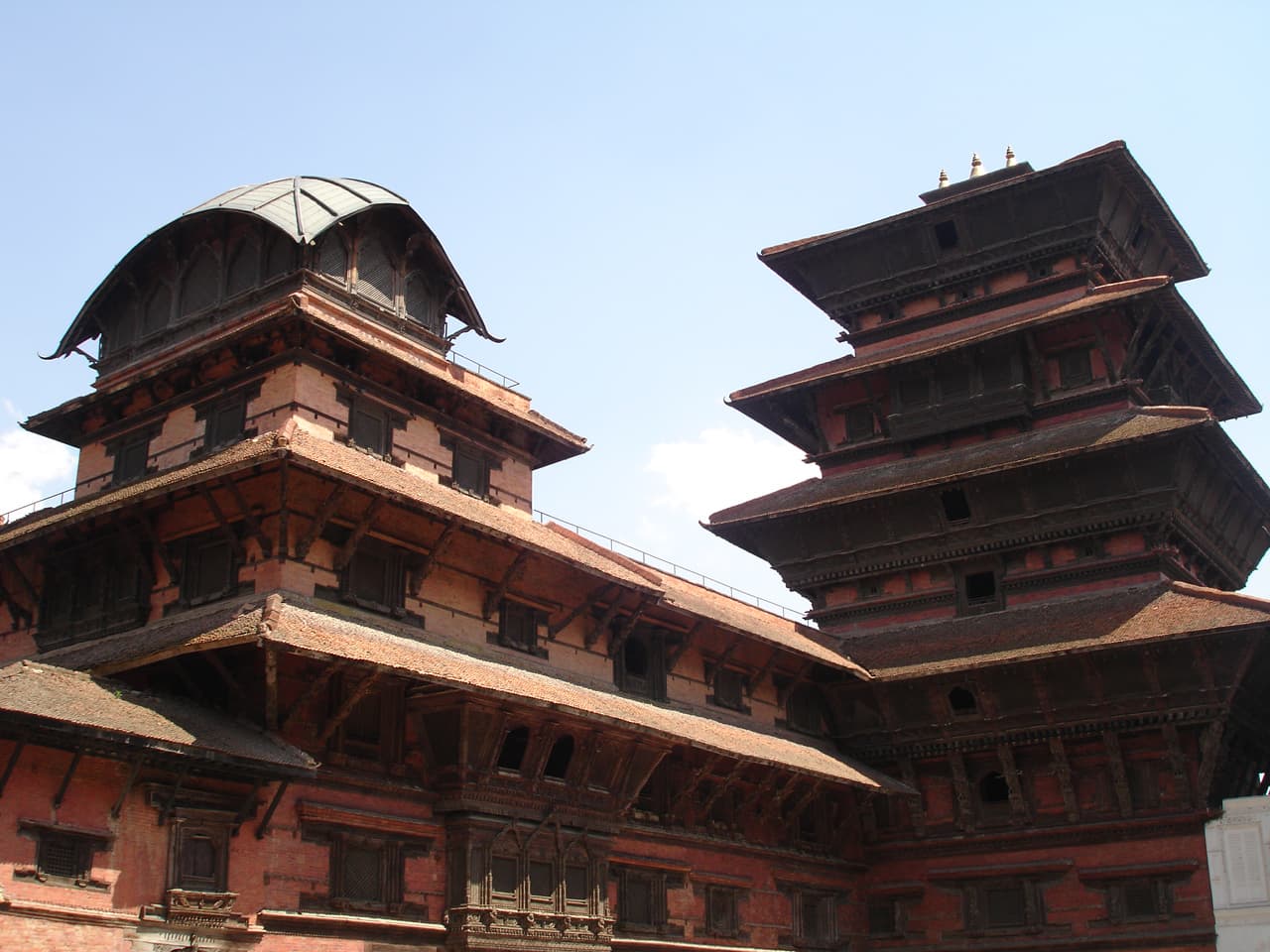
Kathmandu is Nepal's capital and the main gateway for visitors, a dense, busy city in a valley about 1,400 metres above sea level. The old quarters mix Hindu temples, Buddhist stupas, carved wooden windows and street markets, and the Himalayan foothills show on the northern skyline when the air is clear. The Kathmandu Valley holds seven UNESCO World Heritage monument zones, among them Kathmandu Durbar Square, Swayambhunath, Boudhanath, Pashupatinath, Patan Durbar Square, Bhaktapur Durbar Square and Changu Narayan. Start in the old centre around Durbar Square and Basantapur, with its palaces, courtyards and the residence of the living goddess, the Kumari. Swayambhunath, the hilltop stupa often called the Monkey Temple, gives a view across the valley. Boudhanath is one of the largest stupas in the world and the centre of the Tibetan Buddhist community, best at dusk when pilgrims circle it. Pashupatinath, on the Bagmati river, is Nepal's most important Shiva temple, and visitors should be respectful around the cremation ghats. For a calm break, the Garden of Dreams in Kaiser Mahal is a restored neoclassical garden close to Thamel. Thamel is the traveller district for lodging, trek permits, gear shops, money exchange and restaurants. Food worth trying includes momo, dal bhat, newari dishes such as bara and choila, and sweet lassi. Plan for traffic and dust, and carry water and a light mask in the dry months. The best weather is spring (March to May) and autumn (October and November), when festivals such as Dashain and Tihar also fall. Winter is cool and clear, and the monsoon (June to September) brings regular rain. Most international flights land at Tribhuvan International Airport, a short drive from the centre.
Location
Where is it?
Transport
How to get there
All transport options from major cities to Kathmandu
From Pokhara
6h 30m
नेरू ६०० – नेरू १,२००
Direct bus from Pokhara Bus Station via Prithvi Highway (Mahendra Highway junction) to Kathmandu. Scenic route through Damauli and Mugling bazaar with mountain views. Most frequent and economical option.
💡 Buses depart every 30 minutes 5am-8pm. Book at station or through operators like Greenline, Sajha, or local companies. Avoid night buses due to road conditions. Bring snacks; stops at Mugling for tea/food (30 mins). Best time: early morning departures.
From Pokhara
5h
नेरू ३,५०० – नेरू ५,५००
From Tribhuvan International Airport (Kathmandu)
1h
नेरू ३०० – नेरू ८००
From Janakpur
8h
नेरू ८०० – नेरू १,५००
📞 Emergency
Nepal Police: 100 · Tourist Police: +977-1-4247041 · Ambulance: 102
Reviews
What travelers say (0)
No reviews yet. Be the first to share your experience.
⚠ Travel Notes
- ·Air pollution is severe from October through May — particulate levels regularly exceed WHO safe limits, and those with respiratory conditions should carry masks and monitor AQI before extended outdoor activity
- ·Traffic congestion is chronic and unpredictable; allow significant extra time for airport transfers, especially during festivals like Dashain and Tihar when road closures and crowds are common
- ·Tap water is unsafe to drink; even long-term residents rely on filtered or bottled water — ice in cheaper establishments is a common source of stomach illness
- ·Petty theft is common in crowded areas including Thamel, Boudhanath, and public buses — keep passports in hotel safes and carry photocopies instead
- ·Post-2015 earthquake reconstruction is ongoing at several heritage sites including Kathmandu Durbar Square; some structures remain scaffolded or partially closed, and the site looks different from pre-earthquake photographs
- ·Power cuts (load-shedding) still occur intermittently outside peak tourist season — confirm your accommodation has backup power if you need reliable electricity for medical equipment or work
- ·Altitude at 1,400m is generally not a problem for acclimatisation, but travellers flying in from sea level before immediately heading to higher trekking elevations should budget at least one full rest day in the valley
Explore More
Nearby destinations


Where to stay in Kathmandu
Compare guesthouses, hotels, and lodges with real-time prices, traveler reviews, and free cancellation on most stays.
More to explore
Other destinations you might like
Langtang Valley
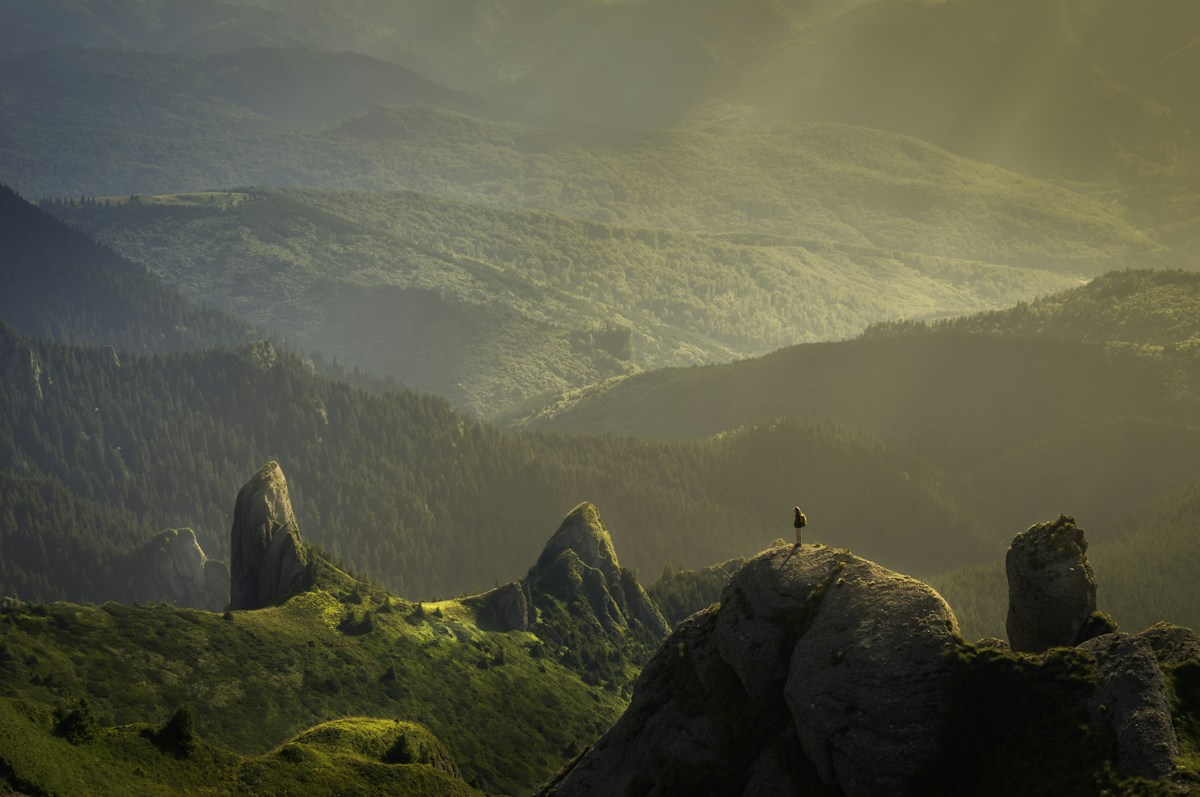
The valley of glaciers, closest to Kathmandu

Patan Durbar Square
Malla-era stone and gilt where Hinduism and Buddhism share the same courtyard

Pashupatinath Temple
Hindu temple in Kathmandu

Devghat
Sacred confluence where rivers and souls converge eternally