

Pashupatinath Temple
Hindu temple in Kathmandu
27.7104°N · 85.3489°E
About
Why visit Pashupatinath Temple
On the eastern bank of the Bagmati River, roughly 5 kilometres from Thamel, Pashupatinath functions simultaneously as a working cremation site, a pilgrimage destination drawing hundreds of thousands of Hindu devotees annually, and one of the Kathmandu Valley's seven UNESCO World Heritage monument groups. The principal pagoda — two-tiered, copper-roofed, built in Newari style and last substantially renovated in 1692 CE — houses a four-faced Shiva linga that non-Hindus are not permitted to approach. The restriction is enforced at the main gate; the outer precinct, the riverbank ghats, and the surrounding 246-hectare complex remain accessible to all visitors. The temple's recorded history stretches to at least 400 CE, with origins attributed to the Licchavi period. Its priests follow an unusual tradition: the chief officiants are Dravida Brahmins from Karnataka, trained at the Sringeri Sharada Peetham in southern India — a practice that underscores the temple's pan-South Asian religious significance rather than purely Nepali identity. The complex contains 518 subsidiary shrines, numerous ashrams housing resident sadhus, and a network of stone inscriptions accumulated across centuries. The Bagmati ghats below the main temple are where open-air cremations take place daily. This is not a spectacle arranged for tourists — it is active funerary practice, and the etiquette expected of visitors is proportional to that reality. Photography of cremation pyres and grieving families is widely considered disrespectful; the line between documentation and intrusion is crossed quickly here. Maha Shivaratri, falling in February or March, transforms the entire site. Sadhus from across the subcontinent gather in the weeks before the festival, and the government estimates attendance in the hundreds of thousands over the main night. The crowd density and security presence during Shivaratri are both significant. For visitors who want to observe without being inside a crush, the hillside opposite the main temple — Mrigasthali forest — offers elevated sightlines across the ghats and the pagoda roofline.
Gallery
Photos


Location
Where is it?
Transport
How to get there
All transport options from major cities to Pashupatinath Temple
From Kathmandu
30 min
0Pashupatinath Temple is located in eastern Kathmandu along the Bagmati River. From Thamel or city center, take a taxi or local bus to Pashupatinath Gate, then walk 10-15 minutes through the temple complex.
💡 Most visitors take a taxi (300-500 NPR) or ride-share from Thamel. Temple is open 4 AM-9 PM. Dress respectfully (covered shoulders/knees). Avoid during cremation ceremonies if uncomfortable. Best visited early morning (5-7 AM) for fewer crowds and cooler weather.
From Kathmandu
48 min
नेरू १,५०० – नेरू ३,०००
From Kathmandu
1h
नेरू २० – नेरू ५०
From Pokhara
6h 30m
नेरू ६०० – नेरू १,२००
📞 Emergency
Nepal Police: 100 · Tourist Police: +977-1-4247041 · Ambulance: 102
Reviews
What travelers say (0)
No reviews yet. Be the first to share your experience.
⚠ Travel Notes
- ·Non-Hindus are barred from entering the main temple sanctum — this is enforced, not advisory
- ·Photographing active cremations or grieving families at the ghats is considered deeply disrespectful; exercise clear judgment before raising a camera
- ·During Maha Shivaratri the site becomes extremely crowded; pickpocketing increases significantly and crowd crush is a real risk at peak hours
- ·Touts and self-appointed guides operate aggressively near the main entrance; agree on any guiding fee before accepting assistance
- ·The Bagmati River running through the complex is heavily polluted — avoid any contact with the water
- ·Dress modestly; shoulders and knees should be covered before entering the outer precinct areas
Explore More
Nearby destinations

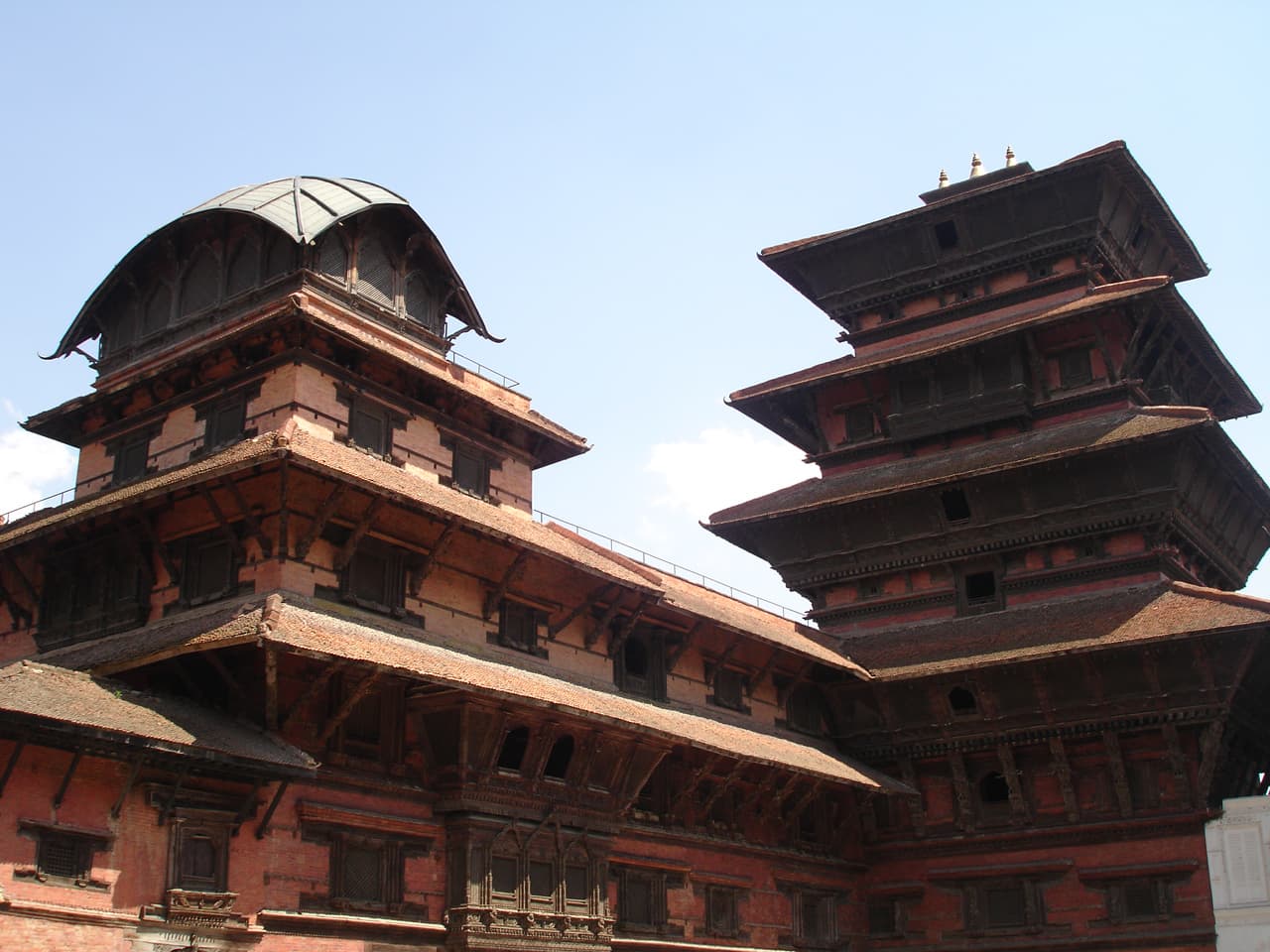


Where to stay in Pashupatinath Temple
Compare guesthouses, hotels, and lodges with real-time prices, traveler reviews, and free cancellation on most stays.
More to explore
Other destinations you might like
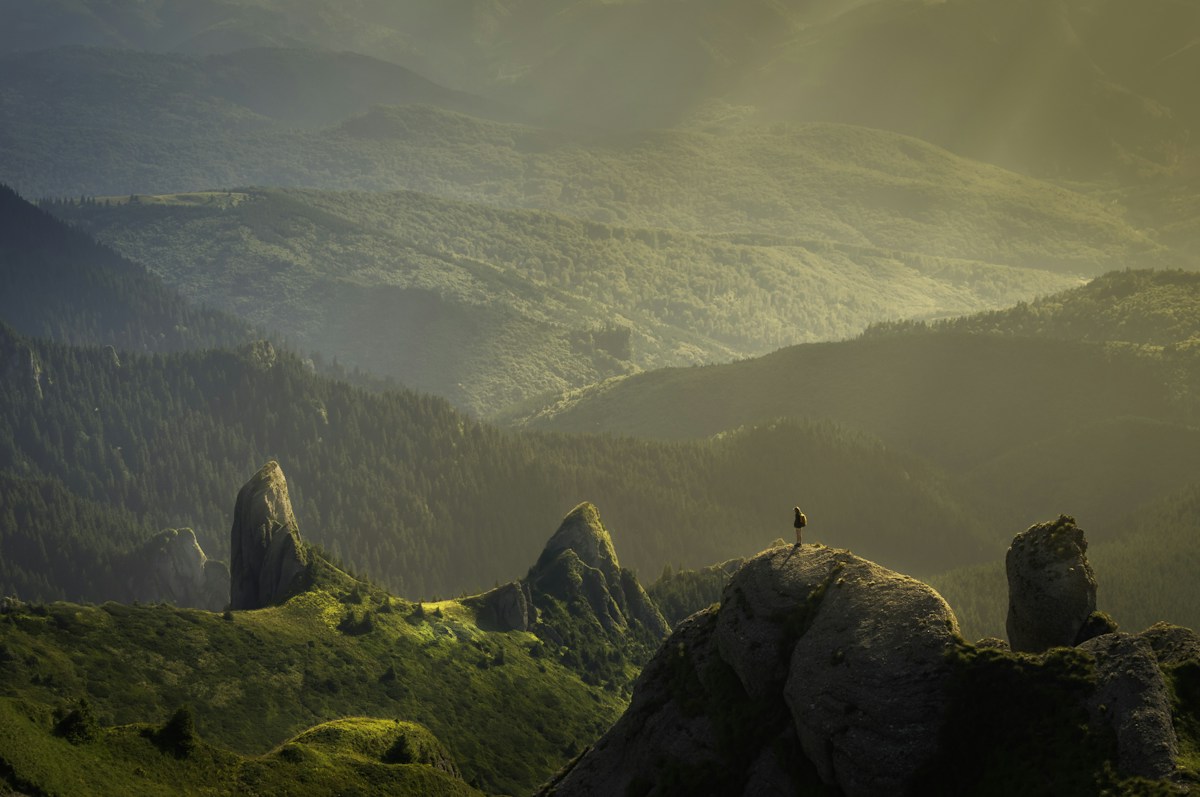
Langtang Valley
The valley of glaciers, closest to Kathmandu

Patan Durbar Square
Malla-era stone and gilt where Hinduism and Buddhism share the same courtyard
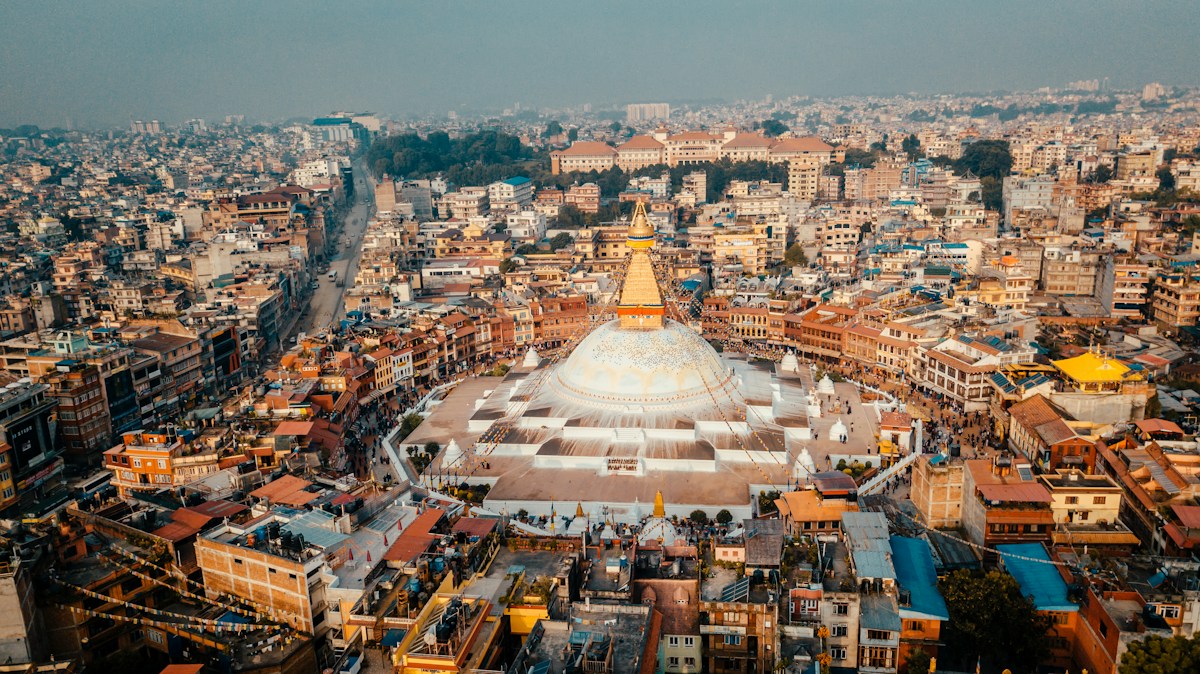
Kathmandu
Where ancient temples meet mountain horizons

Devghat
Sacred confluence where rivers and souls converge eternally