
Swayambhunath
The 5th-century stupa atop Kathmandu, where Buddhism and Hinduism meet
27.7150°N · 85.2900°E
About
Why visit Swayambhunath
Swayambhunath is an ancient religious complex atop a hill in the Kathmandu Valley, west of Kathmandu city. The Tibetan and Sanskrit name for the site means 'self-arising' or 'self-sprung'. The hill on which the stupa stands has been an ancient pilgrimage place considered the home of the primordial Buddha known as the Adi-Buddha. For the Buddhists throughout the world, the stupa is venerated as one of the most ancient and important stupas in the world, having hosted numerous Buddhas of the past: Koṇāgamana Buddha, Kakusandha Buddha and Kassapa Buddha. For its outstanding universal value, Swayambhunath was designated a UNESCO's World Heritage Site in Nepal in 1979.
Gallery
Photos


Location
Where is it?
Transport
How to get there
All transport options from major cities to Swayambhunath
From Kathmandu
1h 30m
0Direct walk from Kathmandu city center (Thamel or Durbar Marg) to Swayambhunath via the main paved road heading west, or take the scenic stone staircase (365 steps) from the base. The temple sits on a hilltop overlooking the Kathmandu Valley.
💡 Most popular and recommended option. Start early morning (6-7 AM) to avoid crowds and heat. Wear comfortable shoes for stairs. Entry fee 200 NPR for foreigners. Best visited during clear weather for valley views. Bring water and sun protection.
From Kathmandu
48 min
नेरू १,५०० – नेरू ३,०००
From Kathmandu
1h
नेरू ५०० – नेरू १,२००
From Pokhara
6h 30m
नेरू ८०० – नेरू १,८००
📞 Emergency
Nepal Police: 100 · Tourist Police: +977-1-4247041 · Ambulance: 102
Reviews
What travelers say (0)
No reviews yet. Be the first to share your experience.
⚠ Travel Notes
- ·No significant altitude concern — the hill sits at roughly 1,360m, only marginally above Kathmandu city; altitude sickness is not a factor here
- ·The 365-step eastern staircase is steep and can be slippery during and after monsoon rains (June–September); worn sandals or flip-flops are a poor choice
- ·Monkeys are bold and will snatch food, sunglasses, water bottles, and loose items from bags — keep belongings secured and do not feed them
- ·Entry fee applies for foreign nationals; the ticket booth is at the base of the eastern stairs and at the western vehicle entrance — have cash in Nepali rupees
- ·The 2015 Gorkha earthquake caused significant structural damage to several shrines and the Pratappur and Anantapur temples on the hilltop; some restoration work may still be ongoing and certain structures remain in partial states of repair
- ·Dress modestly — shoulders and knees covered — as this is an active religious site, not a monument; removal of shoes is required before entering temple interiors
- ·Taxi drivers and auto-rickshaws from Thamel routinely overcharge for the short journey; agree on a fare before getting in or use a metered ride
Explore More
Nearby destinations


Where to stay in Swayambhunath
Compare guesthouses, hotels, and lodges with real-time prices, traveler reviews, and free cancellation on most stays.
More to explore
Other destinations you might like
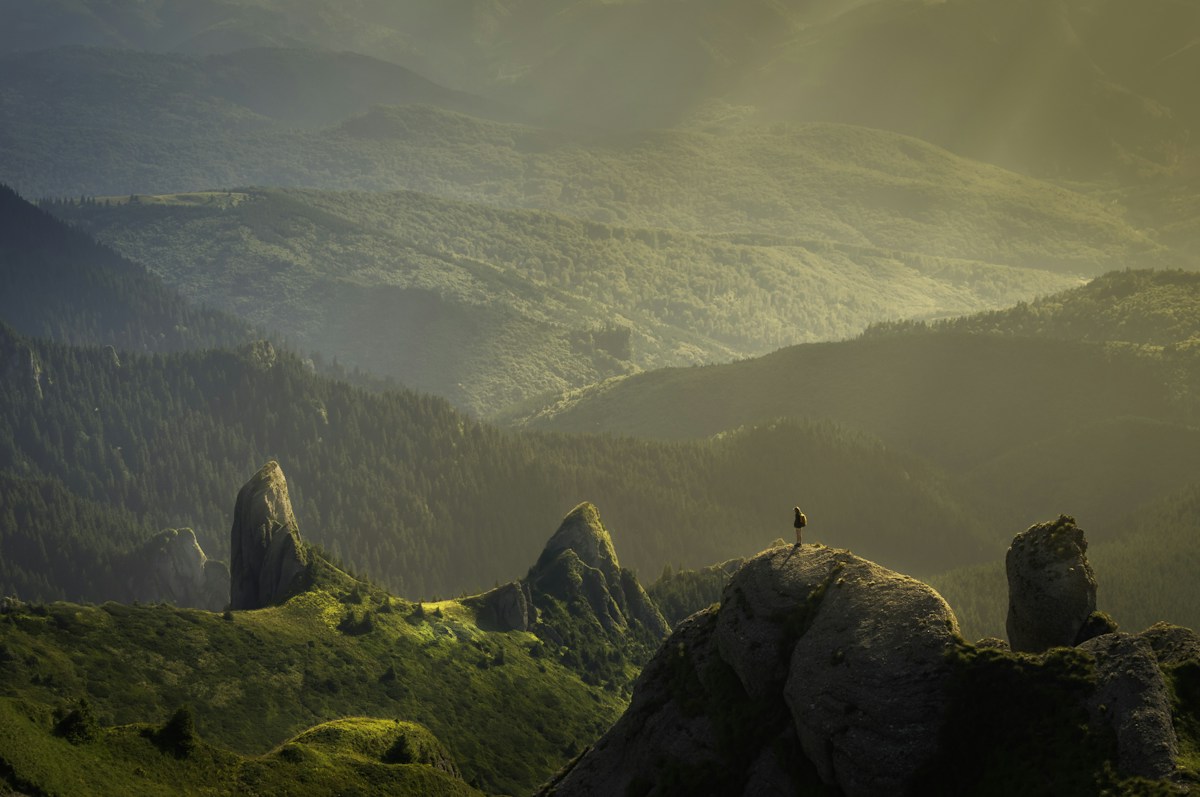
Langtang Valley
The valley of glaciers, closest to Kathmandu

Patan Durbar Square
Malla-era stone and gilt where Hinduism and Buddhism share the same courtyard

Pashupatinath Temple
Hindu temple in Kathmandu
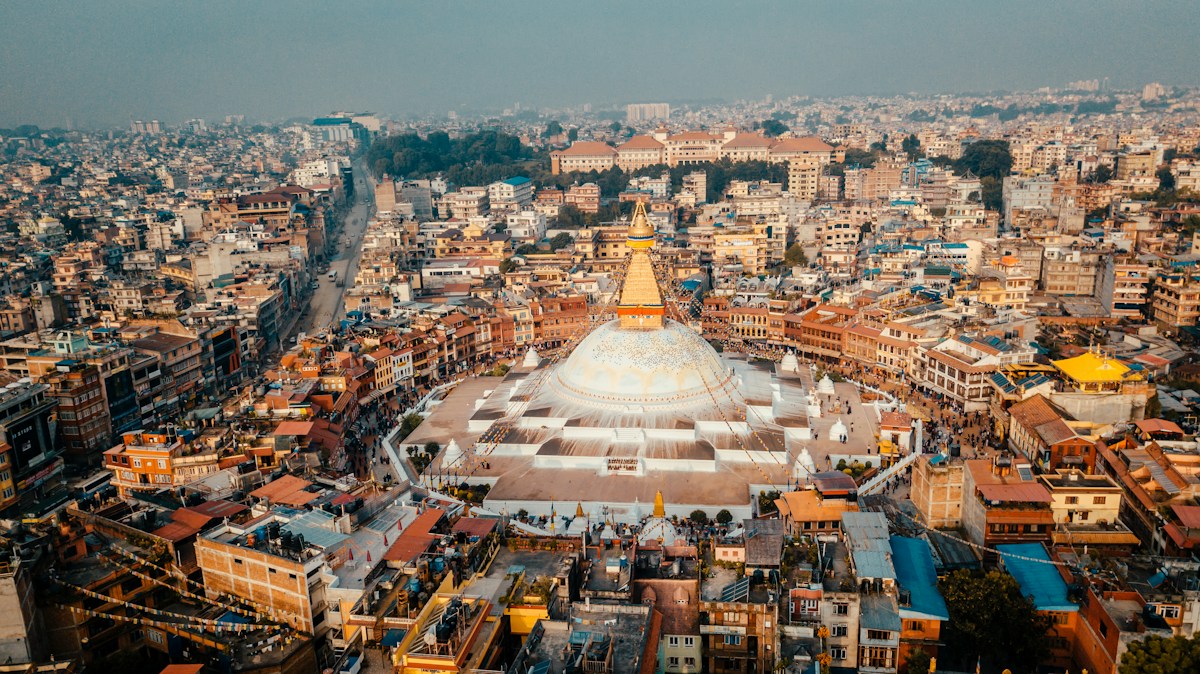
Kathmandu
Where ancient temples meet mountain horizons