

Patan Durbar Square
Malla-era stone and gilt where Hinduism and Buddhism share the same courtyard
27.6731°N · 85.3248°E
About
Why visit Patan Durbar Square
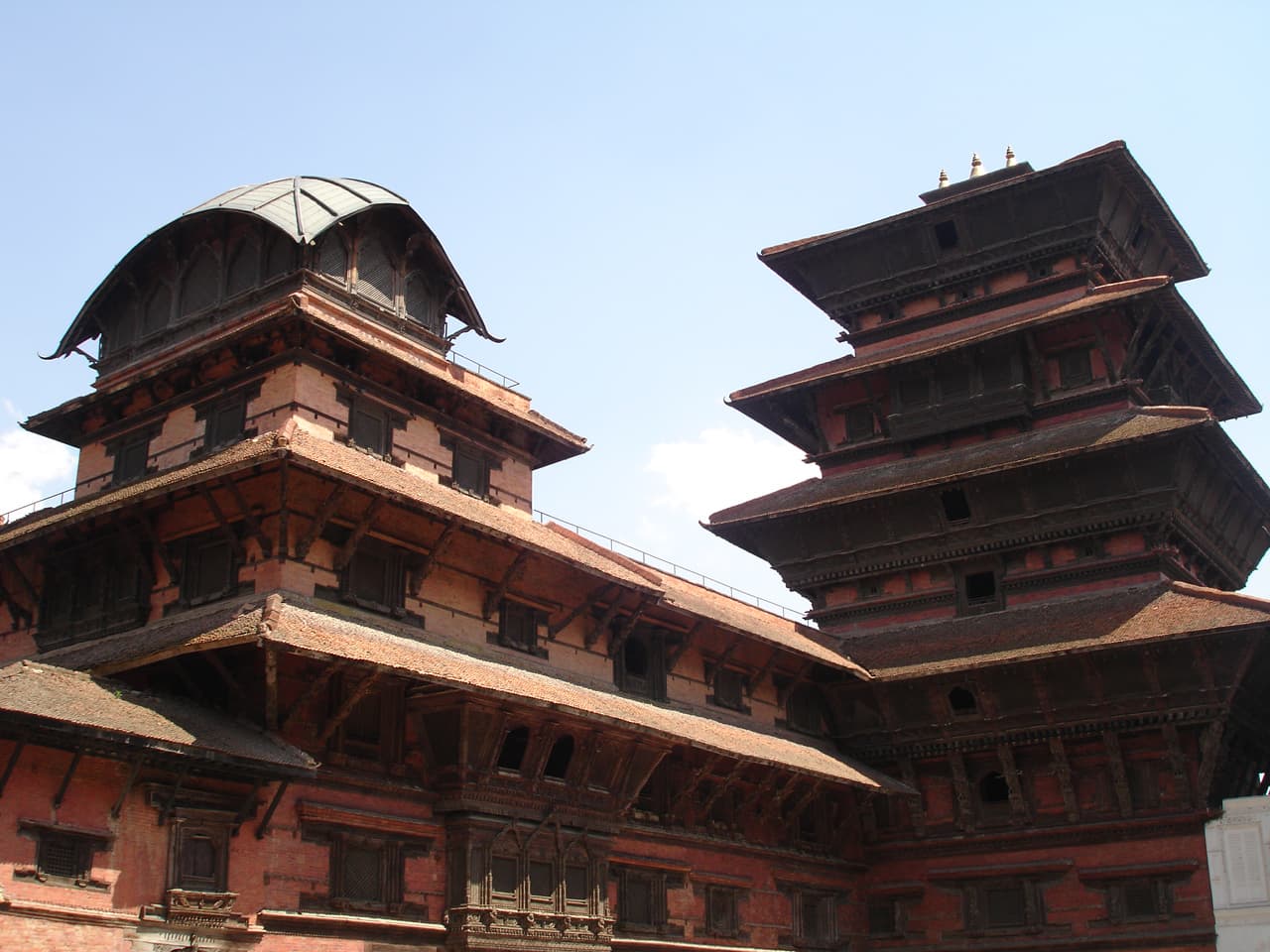
Patan Durbar Square, in the heart of Lalitpur, is a UNESCO World Heritage Site and a showcase of Newari art, with carved temples, royal courtyards and palaces from the Malla kingdom. Hindu and Buddhist worship share the same courtyard, and the old palace now holds the Patan Museum, one of the best collections of bronze and gilt ritual objects in South Asia, with clearer labelling than most temple visits. Look for Krishna Mandir (1667), a stone temple whose carved beams tell the Mahabharata and Ramayana; Bhimsen Temple (1680) with its three golden windows, which non-Hindus cannot enter; and Vishwanath Temple (1627). Around the square, the Buddhist courtyards called bahals include Kwa Bahal, the Golden Temple, which is the easiest to visit. Restoration after the 2015 earthquake is visible across the square, so some structures are fenced off. Foreign visitors pay an entry fee (about NPR 1,000, roughly US$8–10); keep the receipt, because it can be checked more than once. Go in autumn to spring. During Krishnastami in August or September, the square fills with pilgrims for overnight devotional singing. Lanes are narrow with heavy motorbike traffic.
Location
Where is it?
Transport
How to get there
All transport options from major cities to Patan Durbar Square
From Kathmandu
30 min
0Direct walk from Kathmandu city center (Thamel or Basantapur) to Patan Durbar Square via Bagmati Bridge or through Jawalakhel. The route crosses the Bagmati River and enters Patan's old city. Most direct and immersive option for cultural exploration.
💡 Best early morning (6-8 AM) to avoid crowds and heat. Wear comfortable shoes; narrow lanes have uneven surfaces. No booking needed. Combine with local guides (500-1500 NPR) for historical context. Safest in daylight hours.
From Kathmandu
1h
नेरू ५० – नेरू १५०
From Kathmandu
48 min
नेरू २,००० – नेरू ४,०००
From Pokhara
6h 30m
नेरू ६०० – नेरू १,२००
📞 Emergency
Nepal Police: 100 · Tourist Police: +977-1-4247041 · Ambulance: 102
Reviews
What travelers say (0)
No reviews yet. Be the first to share your experience.
⚠ Travel Notes
- ·Entry fee applies for foreign nationals; keep your receipt as it may be checked multiple times within the square
- ·Several inner sanctums and temple interiors are closed to non-Hindus — signage is inconsistent, so ask before entering rather than assuming access
- ·Post-2015 earthquake reconstruction is ongoing; some structures remain fenced or partially closed without advance notice
- ·The square sits at roughly 1,350m — no altitude concern, but the surrounding lanes are narrow and motorbike traffic is heavy; pedestrian awareness is necessary
- ·Monsoon season (June–September) brings slick brick paving and occasional flooding in lower courtyard areas; stone steps become hazardous
- ·No special trekking permit required, but photography inside certain temples (including Bhimsen) is explicitly prohibited and enforced by temple caretakers
Explore More
Nearby destinations



Where to stay in Patan Durbar Square
Compare guesthouses, hotels, and lodges with real-time prices, traveler reviews, and free cancellation on most stays.
More to explore